Rossville sits at a meeting point of weather and terrain that can be hard on a home’s exterior. Warm, humid summers roll up from the Tennessee River Valley. Pollen blows in waves each spring. Autumn leaf litter collects in gutters and on shaded concrete. Then winter swings back and forth, wet and chilly, with freeze-thaw cycles that push moisture into hairline cracks. All that adds up to algae on siding, black streaks on roofs, slippery steps, and concrete that never seems to look truly clean. Premium residential pressure washing in Rossville is not a luxury service so much as a maintenance strategy that keeps a property sound and safe while preserving curb appeal.
I’ve worked on homes from Missionary Ridge to Lakeview for years, and one pattern keeps showing up: the houses that stick to a thoughtful washing schedule need fewer repairs and hold their value better. They also tend to feel more welcoming, because clean surfaces reflect light instead of absorbing it. The details matter. The right tips, pressures, detergents, and timing make all the difference between a fast wash that looks good for a month and a careful job that lasts a season or longer.
What a Premium Service Actually Means
Most people picture pressure washing as blasting water until the dirt moves. That approach can work on some concrete, but it falls apart on softer materials. Premium service starts with inspection. A technician should walk the property, check oxidation on vinyl siding, look for failed caulk lines, note older mortar on brick, and ask about past repairs and paint age. They should test a hidden spot if they suspect chalking paint or fragile fiber cement. The service should include a plan to protect landscaping, a detergent selection that fits the soil load, and a rinse strategy that won’t leave surfactant streaks or residue.
Equipment matters too, but not in the way marketing often implies. A 4 to 8 gallon per minute machine with proper tips does cleaner work than a smaller unit because of flow, not just raw pressure. Higher flow carries loosened dirt away, which means you can run at lower pressure. On vinyl, for example, you should rarely exceed the strength of a firm garden hose at Pressure Washing Rossville the surface. On older brick, you let dwell time do the heavy lifting. A premium operator knows when to switch to soft washing, which uses specialized nozzles and chemical ratios that gently kill organic growth instead of sanding the surface with water.
Premium also means predictable results. That shows up in small things: tarping delicate hydrangeas before pre-treatment, flushing shrubs with water after dwell time so they do not absorb surfactants, and using ground-fault protection on cords to keep the setup safe around damp areas. It means technicians who tape outlets and door thresholds and who check attic vents for signs of wind-driven water entry. A good job looks good, but it should also be dry inside and harmless to the yard.
Why Rossville Homes Need It
Humidity sticks around in the Chattanooga metro area for most of the year. Even when it feels comfortable, dew points remain high enough to keep surfaces damp for hours each morning. Shade from mature trees in neighborhoods like Peerless Road or around John Ross homes creates a perfect environment for Gloeocapsa magma on roof shingles and algae films on siding. Those streaks and films don’t only look bad. The organisms feed on limestone filler in asphalt shingles and hold moisture against paint and wood, accelerating wear.
Pollination season adds another layer. Pine pollen and hardwood pollen form a sticky film that binds dust to windows, vinyl, and gutters. After a wet spring, you can see striping where runoff carries pollen into vertical trails. Left alone, those trails harden into grime that resists a simple hose rinse. By mid-summer, the organic layer becomes a food source for mildew. In shaded patios, especially on the north side of homes, the surface can turn slick. I’ve seen more than one ankle sprain from a quick step onto a greenish patio that looked fine at a glance.
Local concrete also has its quirks. Driveways and sidewalks in Rossville vary in mix and finish, but many have a fairly open surface that stains fast from rust, red clay, and leaves. When rain washes clay from a flower bed across the driveway apron, it leaves iron-rich residue that darkens as it dries. A good technician will treat stains with oxalic or ascorbic acid before cleaning, because water pressure alone can push the red deeper.
Soft Washing vs. Pressure Washing
It helps to separate methods. Pressure washing uses mechanical force. Soft washing uses chemistry and flow. On residential siding, soft washing is almost always the right starting point. If you see someone trying to force mold off vinyl with a narrow high-pressure tip, they are sanding the material. That leaves wand marks and forces water behind the panels. You may not notice at first, but weeks later you can find musty smells inside and stained insulation where water tracked down.
Soft washing relies on an appropriate dilution of sodium Pressure Washing hypochlorite or another biocide, blended with surfactants that let the solution cling to vertical surfaces. The mixture sits for a few minutes, then gets rinsed at low pressure. On painted wood, the ratio may be lower to protect pigment. On algae-heavy vinyl, you let dwell a touch longer. The trick is to stop when organic growth blanches but before oxidation lifts. I typically work in the 1 to 2 percent range on siding, higher on stubborn masonry algae, then rinse thoroughly.
Concrete is different. You can use higher pressure, but you still need to respect surface hardness. Many Rossville driveways respond best to a surface cleaner hooked to a mid-size machine, followed by a post-treatment that prevents fast regrowth. On broom-finished concrete, a 15-inch surface cleaner with two rotating nozzles does a uniform job and avoids tiger striping. If you see stripes, the operator moved too quickly or the tips are mismatched.
Roof Cleaning Without Roof Damage
Roof care takes finesse. Most asphalt shingle roofs in the area can be cleaned safely with a dedicated soft wash from the ridge downward and very low pressure. Walking the roof is sometimes necessary, but a safety-first crew will harness and, when possible, work from the eaves with extension poles to limit foot traffic. The goal is to kill the growth rather than rip it off. Black streaks lighten within minutes. Moss can take longer and may need a second visit after weathering.
No one should use high pressure on shingles. The granules are not ornamental, they protect the asphalt from UV. If you blast them off, you shorten the roof’s life. A premium service will also keep runoff out of sensitive plantings by bagging downspouts or diverting discharge to gravel, then neutralizing and watering the yard. If a home has a rain barrel, the downspout should be disconnected during the process to avoid contamination.
Metal roofs, which are common on additions and porches, tend to collect grime and tree sap. They clean up nicely but require a slip-resistant plan for the crew. After washing, a fast rinse and attention to lap seams helps reduce residue lines. If your metal roof has a baked-on finish that’s chalking, expect limited improvement from cleaning alone. Chalking is oxidation, not dirt, and it returns unless you address the coating.
Protecting Landscaping and Outdoor Features
The biggest complaints after a wash tend to be plant damage and streaks on windows. Both are avoidable. Plants can handle occasional overspray if you pre-soak and post-rinse them. Leaf burn usually happens when chemicals dry on the surface. You prevent it by working in sections, timing the day, and watering the landscape before and after treatment. Wrapping delicate shrubs in breathable covers during the dwell time helps. Removing rugs, cushions, and grill covers before the wash avoids the dreaded white spots that appear when overspray dries on synthetic fabrics.
Windows are another detail. Rinsing with hard water under bright sun can leave spots. On premium jobs, I either schedule earlier in the day or follow up with a deionized rinse on prominent windows. If the glass has hydrophobic coatings, strong detergents can dull the effect, so the crew should avoid direct application and rinse from above the frame. On older storm windows with gaskets past their prime, a light hand and limited upward spray prevents leaks between panes.
Frequency, Timing, and Local Weather
A common question: how often should a Rossville home be washed? For most properties, a thorough exterior wash every 12 to 18 months keeps things in shape. Roofs can go 2 to 4 years between treatments, depending on tree cover. Driveways usually need attention once a year, especially under maple or oak canopies. Siding on the north and east faces often accumulates growth faster, so a half-year spot treatment there can stretch the full wash.
Timing matters. Late spring, after heavy pollen drops, is a good window for a full wash. The weather is warm enough for detergents to work efficiently, but not so hot that they dry too quickly. Avoid long dry spells with high heat, when surfaces flash-dry and streak. Fall works as well, once leaves stop dropping. I avoid washing right before a freeze. If water sits in window tracks and temperatures fall overnight, you can get cracked plastic or seals.
The Cost Landscape and What Drives It
Most homeowners want a ballpark. Prices vary by home size, access, degree of soiling, and scope. In Rossville and the broader Chattanooga area, a professional exterior wash for an average single-story ranch typically falls somewhere in the low-to-mid hundreds. Two-story homes or those with complex elevations run higher. Roof cleaning adds to the total. Concrete, priced by square footage or by the feature, is commonly separate. A long driveway, a back patio, pool deck, and walkways can double the scope.
What drives cost beyond size? Height and roof pitch increase safety requirements. Heavy organic growth requires more chemical and Power Washing Rossville time. Oxidized siding takes extra care to avoid streaking. Heavily rusted areas or battery-leak stains from golf carts need specialty acids and neutralization. If a crew spends time bagging multiple downspouts and carefully protecting a well-tended garden, that is part of the service level. Premium prices should reflect premium preparation and aftercare, not just water through a hose.
Avoiding Common Mistakes
I often get called after a well-intentioned DIY attempt leaves wand marks or blown seams. The patterns repeat. Spraying up under vinyl laps drives water behind the panels, which later drips from soffits or shows up as interior moisture. Using a turbo nozzle on stucco etches the surface. Bleach applied too strong on oxidized aluminum siding causes tiger stripes that do not rinse out easily. On composite decks, over-aggressive pressure raises the fibers and leaves a fuzzy texture that no sealer fixes.

One memorable call was a shady patio where algae regrew within weeks. The previous crew had blasted the surface clean but never treated the pores. We returned with a surface cleaner, used a mild sodium hypochlorite solution with a surfactant, let it sit, rinsed, and followed with a light post-treatment. That patio stayed clean through the next spring. The difference was chemistry and dwell time, not more force.
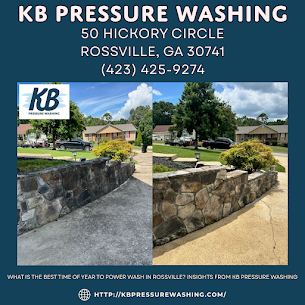
How to Vet a Pressure Washing Provider
Finding the right team is mostly about signals. Do they ask questions about your paint age, roof type, and plants, or jump straight to price? Do they carry liability insurance and workers’ compensation, and can they show certificates? Are they comfortable explaining their process in plain terms, including what chemicals they use and how they protect your property? A provider that invests in higher-flow machines, fresh hoses, and a range of tips and meters tends to take results seriously.
If the crew proposes high pressure on siding, be wary. If they promise to remove oxidation from chalky paint with washing alone, that is not realistic. If they refuse to test a small area where you have concerns, keep looking. In Rossville’s older neighborhoods, especially where paint layers date back decades, a careful patch test can prevent an expensive surprise. Ask for before-and-after photos of similar homes in the area. The best shops have them, along with repeat customers who can speak to how long the results lasted.
The Role of Detergents and Specialty Cleaners
Detergent chemistry is where many jobs are won or lost. For organic staining, sodium hypochlorite remains the workhorse. Used intelligently, it is safe and effective. Surfactants help it cling and loosen the biofilm. For rust and red clay stains, oxalic acid or a commercial rust remover breaks bonds that pressure alone cannot touch. For oil on driveways, a degreaser applied, agitated lightly, and allowed to dwell, followed by hot water if available, makes a difference. On windows and delicate metals, neutral soaps and careful rinsing keep finishes intact.
One caution: mixing chemicals without training is dangerous. Never combine ammonia-based cleaners with bleach products. Proper storage, transport, and dilution protect both the crew and the homeowner’s property. Premium operators label their containers, carry spill kits, and understand the SDS sheets for their products. These are not niceties, they are the baseline for safe work.
Working Around Unique Rossville Features
Older brick homes in Rossville often have soft mortar that cannot tolerate aggressive washing. Historic properties call for a lower-pressure rinse and, sometimes, targeted poultices on deep stains rather than a blanket treatment. Some porches have tongue-and-groove ceilings with hairline gaps. Water driven up into these gaps can drip for hours and stain wood. A gentle downward spray and a patient rinse avoid that headache.
Many properties include composite fencing, vinyl-clad windows, and painted aluminum gutters. Each reacts differently. Composite fence panels clean well with low pressure and mild biocides but can streak if the rinse is uneven. Vinyl windows should not be hit directly at the weep holes, which are designed to drain water out, not welcome it in. Painted aluminum, especially white, shows oxidation as a chalky residue. If you rub it with a finger and it comes away white, avoid scrubbing with hard brushes. A soft wash will brighten it, but you should adjust expectations. It will not look like fresh paint unless it is repainted.
When Sealing Makes Sense
After cleaning, some surfaces benefit from sealing. Concrete sealers can reduce absorption, limiting stain penetration and making future washes faster. In our climate, a breathable penetrating sealer often beats a glossy topical one, which can turn slick when wet and may peel under UV. For decks, the cleaning should set the stage, not strip the wood raw. Over-stripping makes it thirsty and hasty sealing traps moisture. Let wood dry to an appropriate moisture level, usually in the low to mid teens percent, before applying a stain or sealant.
Driveways near the state line where tree cover is dense collect mildew quickly. A light post-treatment after cleaning can keep them brighter for months. It is a low-cost step that pays for itself by extending the interval between full washes.
Safety, Setup, and Neighborly Considerations
A tidy setup shows respect. Cones or markers at the curb help when hoses cross sidewalks. Taping exterior outlets and covering pendant lights prevents accidental damage. On tight lots, talk to the neighbor before washing near the property line. Overspray from roof work can drift. A quick warning lets them move vehicles and cushions. Good crews post a wet surface sign at front steps and handle the service with minimal disruption, then walk the site with the owner and check small details like gate latches and hose bibs.
Gutter downspouts deserve a note. If they discharge near foundation plantings, bagging and diverting wash water during a roof treatment keeps shrubs safe. When the job wraps, the crew should pull the bags, flush lines, and reattach extensions the way they found them. If your property uses a sump or French drain, let the team know so they can plan their runoff accordingly.
A Simple Homeowner Prep Checklist
Before a premium crew arrives, a few minutes of preparation sets the day up for success.
- Move vehicles from the driveway and garage apron, and pull them away from roof eaves. Bring in cushions, doormats, and light furniture. Cover or relocate grills and smokers. Close windows fully, secure pets indoors, and note any known leaks or problem areas. Mark irrigation heads near the driveway edge with flags if they sit proud of grade. Unlock gates and provide access to outdoor spigots and power, if needed.
What Results to Expect, and for How Long
After a proper wash, siding should look even, with no wand tracks, zebra stripes, or streaking under window sills. Concrete should brighten uniformly. Tiny pinhole stains may remain where deeply embedded, but the surface should read as clean from a normal viewing distance. Roof streaks usually lighten dramatically the day of service and continue to blend over several weeks as dead growth releases.
How long it lasts depends on canopy, sun, and air movement. Homes in open sun stay cleaner longer because surfaces dry quickly each morning. Heavily shaded north-facing walls invite earlier regrowth. You can stretch results by trimming overhanging limbs, cleaning gutters so they do not overflow and stripe the siding, and making sure downspouts discharge well away from the foundation. When you see faint green returning to the usual spots, call for a targeted refresh rather than waiting for a full bloom.
Balancing DIY and Professional Work
Plenty of homeowners handle light maintenance themselves. A garden sprayer with a mild cleaner, followed by a hose rinse, can keep small sections tidy between professional visits. A push broom and a little degreaser can knock back fresh oil drips before they set. The line to watch is pressure. Consumer units are tempting, but a narrow tip at close range can etch concrete, scar wood, or force water into places it does not belong. If you are unsure, start with low pressure, stand back, and test a discreet area.
For roofs, ladders, and second-story work, a professional is nearly always the better option. Falls are unforgiving, and water, ladders, and sloped surfaces are a bad combination. A reputable company brings safety gear, training, and insurance, and they get the job done faster with fewer risks.
The Payoff You Can See and the One You Can’t
The visible payoff is straightforward: a brighter home, sharper lines, and spaces that invite you outside. The less visible payoff is durability. Paint that dries daily lasts longer. Shingles free of algae perform closer to their rated life. Concrete that sheds grime and organic acids resists spalling and keeps its surface intact. Real estate agents in Rossville will tell you that a clean exterior photographs better and sets a positive tone before a buyer reaches the door. That first impression often determines whether someone enters expecting issues or expecting a well-cared-for property.
I’ve watched families fall back in love with their homes after a thorough wash. A deck that looked like a chore becomes a place to sit with coffee. A driveway no longer framed by brown crescents from tree debris looks new again. Those little lifts add up. Premium residential pressure washing, done with care and craft, is not just about optics. It is a quiet, practical way to keep a Rossville home healthy in a climate that gives every reason for grime to take hold.